

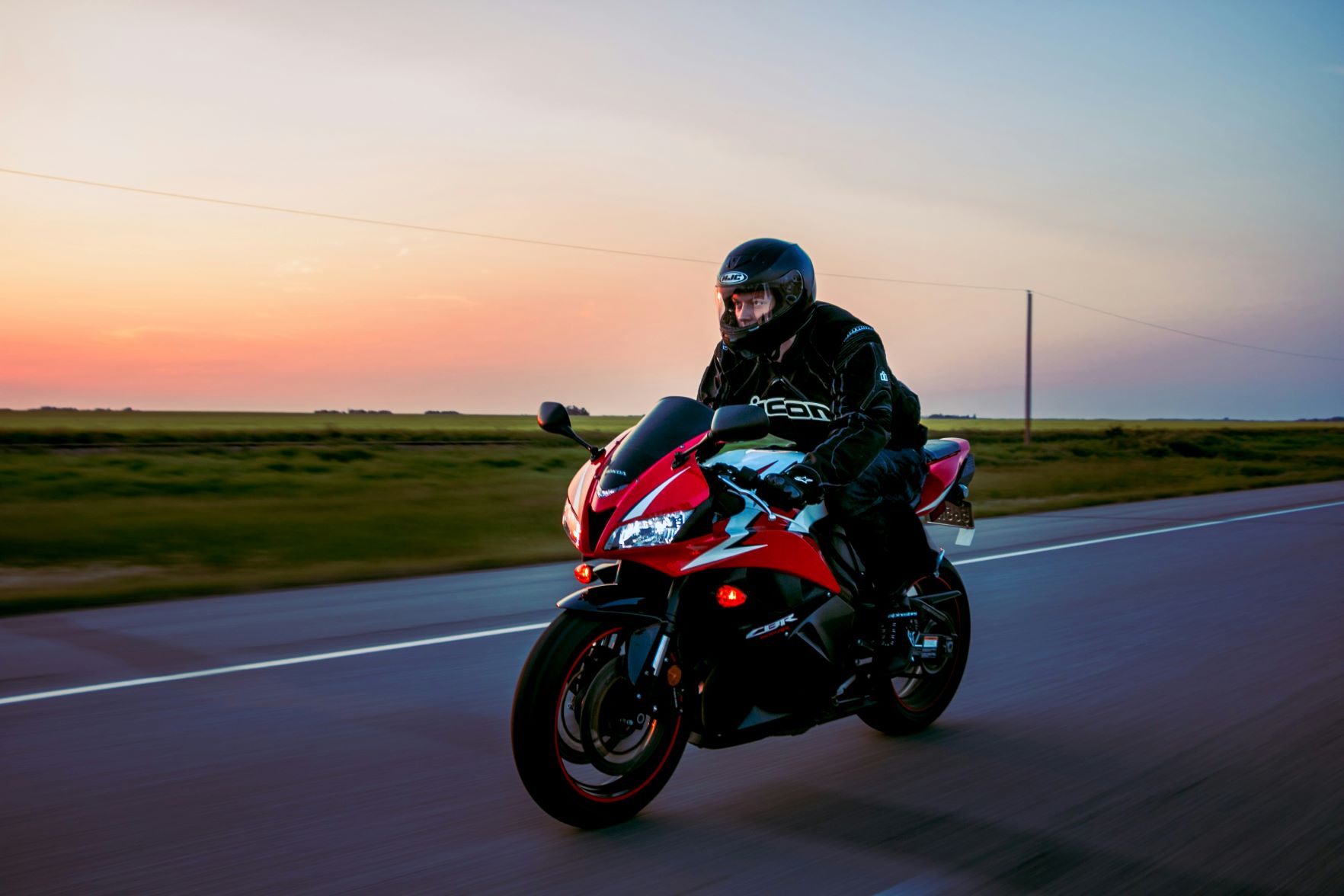
Your motorcycle represents a significant investment, and its paint faces unique threats every time you hit the road. Unlike cars, motorcycles expose more painted surfaces to road debris, UV rays, and environmental hazards. Paint protection film offers a proven solution to keep your bike looking showroom-fresh for years to come.
At Precision Car Wraps in San Diego, we’ve seen firsthand how motorcycle paint protection transforms the longevity and appearance of bikes across all makes and models. Whether you ride a cruiser, sportbike, or touring motorcycle, protecting motorcycle paint should be a priority from day one. The cost of repainting damaged panels far exceeds the investment in quality paint protection for motorcycles.
This transparent, self-healing film creates an invisible barrier between your paint and the elements. Road salt, bug splatter, stone chips, and UV damage all become non-issues when your bike is properly protected.
What Makes Motorcycles Vulnerable to Paint Damage
Motorcycles face paint damage risks that car owners rarely encounter. Your bike’s exposed panels sit closer to the road surface, making them prime targets for kicked-up gravel and debris.
The aerodynamics of motorcycles also work against paint preservation. Unlike cars with protective body coverage, your tank, fenders, and fairings take direct hits from everything the road throws at them. A single rock chip can lead to rust, requiring expensive bodywork and repainting.
Weather exposure compounds these issues. Your motorcycle likely sits outside more often than a car, enduring UV rays, acid rain, and temperature fluctuations that accelerate paint degradation.
How Paint Protection Film Works
The Science Behind the Shield
Paint protection film consists of multiple layers of thermoplastic urethane. The top layer features self-healing properties that make minor scratches disappear with heat application. The adhesive layer bonds to your paint without causing damage upon removal.
This technology absorbs impacts that would otherwise chip or scratch your paint. The film’s thickness and flexibility allow it to take the hit while your original paint remains untouched underneath.
Coverage Options for Different Riding Styles
Sport bike riders typically prioritize front fender, tank, and fairing protection where stone chips concentrate. Cruiser owners often protect chrome accents, tank sides, and rear fenders from boot scuffs and bag contact.
Touring riders benefit from comprehensive coverage since highway miles accumulate debris damage quickly. Custom coverage plans address your specific riding patterns and protection needs.
Long-Term Value of Motorcycle Paint Protection
Protected paint maintains resale value significantly better than exposed surfaces. Potential buyers notice well-preserved finishes, and documented paint protection increases buyer confidence.
The film pays for itself by eliminating touch-up paint costs, clear coat repairs, and eventual repainting expenses. A quality installation lasts 5-10 years, protecting your investment through countless rides.
Insurance considerations also favor protected motorcycles. Some carriers offer discounts for bikes with documented protective measures, and claims for paint damage decrease substantially.
Installation Process and Expectations
Professional vs DIY Application
Professional installation ensures proper surface preparation, precise cutting, and bubble-free application. Experienced installers understand motorcycle curves, gaps, and panel transitions that challenge DIY attempts.
While DIY kits exist, motorcycles present unique challenges:
- Complex curves require heat shaping and stretching techniques
- Panel gaps need precise trimming to avoid lifting edges
- Surface preparation determines adhesion longevity
- Pattern cutting affects coverage effectiveness
Professional installation typically takes 4-8 hours depending on coverage area. Your installer will clean, prep, and detail your bike before applying pre-cut or custom-cut film sections.
Maintenance Requirements
Paint protection film needs minimal maintenance compared to unprotected paint. Regular washing with pH-neutral soap keeps the film clear and functioning properly. Avoid automatic car washes with harsh brushes that can lift film edges.
The self-healing properties activate with heat, so minor scratches often disappear after riding on warm days or gentle heat gun application. Waxing isn’t necessary, though ceramic coatings can be applied over the film for added hydrophobic properties.
Common Misconceptions About Paint Protection for Motorcycles
Many riders assume film yellows or becomes visible over time. Modern films resist UV degradation and remain crystal clear for years. Quality products come with warranties against yellowing and delamination.
Some believe film installation damages paint during removal. Proper installation and professional removal prevent paint damage entirely. The film protects against damage—it doesn’t cause it.
Another myth suggests film reduces paint gloss. High-quality films actually enhance depth and shine while adding a smooth, glass-like finish to your paint surface.
Making the Decision for Your Motorcycle
Consider your riding frequency, storage situation, and long-term ownership plans. Daily riders in urban environments face different paint threats than weekend canyon carvers or garage-kept collectors.
New motorcycle owners benefit most from immediate installation before any damage occurs. However, bikes with existing minor imperfections can still benefit—the film prevents further deterioration.
Ready to protect your investment? Contact Precision Car Wraps to discuss motorcycle paint protection options tailored to your riding style and coverage preferences. Our experienced team handles everything from sportbikes to cruisers, ensuring your paint stays pristine mile after mile.